Addiction Treatment for First Responders
Customized Addiction Treatment for First Responders
First responders encounter unimaginable situations daily, enduring the physical and emotional toll that comes with their critical roles. Often, they carry the invisible burdens of burnout, chronic stress, post-traumatic stress disorder (PTSD), and addiction. Our specialized addiction program for first responders is meticulously designed to support these dedicated individuals as they navigate the complex journey of recovery. Through tailored therapeutic interventions and a supportive community environment, we empower our heroes to confront and heal from the traumas they have faced, enabling them to rebuild their lives and reclaim their well-being.
Who We Treat
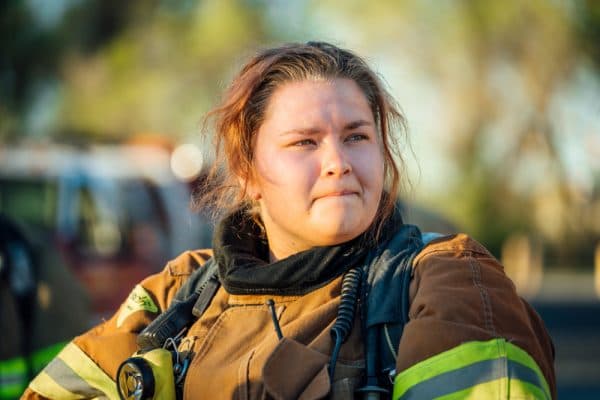
The relentless exposure to traumatic incidents, coupled with chronic stress and the demands of performing well in high-pressure situations, can significantly impact the mental and emotional well-being of first responders. Acknowledging the unique challenges they face, our program is meticulously crafted to tackle the root causes that often contribute to addictive behaviors. We focus on providing support that not only addresses trauma but also emphasizes coping strategies and resilience-building techniques tailored to the needs of first responders. Through comprehensive workshops, counseling sessions, and peer support, we aim to create a safe space for these individuals to heal and thrive, ultimately fostering a healthier and more sustainable approach to their demanding roles.
- EMTs
- Police officers
- Firefighters
- 911 operators
- ER nurses
If you are a first responder who needs help for addiction, we’re here for you. Call us today at 640-227-3951.
Our First Responder Rehab Program
At River Oaks, we offer many levels of care to meet you where you are and provide the right treatment for you. Our program makes treatment accessible, whether you need more intensive inpatient care or a more flexible outpatient treatment option. At our inpatient rehab near Tampa, we also offer:
Addiction Program Topics
The First Responders’ Program at River Oaks, located in the heart of Riverview, FL, just a short drive from Tampa, is dedicated to empowering those who dedicate their lives to serving others. This transformative program is specifically designed for first responders, providing them with the tools and support necessary to reclaim their sense of self and reconnect with what truly matters in their lives.
At River Oaks, our unique approach focuses on helping first responders confront and navigate the complexities of trauma they may have experienced throughout their careers. Through a combination of therapeutic interventions, group support, and holistic practices, participants learn not only to cope but also to rebuild their lives from the ground up. Our compassionate team is committed to walking alongside each individual on their journey toward healing, ensuring that no one feels alone in this process.
In an environment that fosters understanding and camaraderie, first responders can find the strength to address their challenges, rediscover their passions, and cultivate meaningful relationships. Through our program, they realize that recovery is not only possible but also a pathway to a more fulfilling and balanced life.
You can expect to learn about the following topics while in treatment:
- Hypervigilance
- Character and values
- Impact of stress
- Post-traumatic responses
- Family & relationships
- Cognitive distortions
- Needs in recovery
- Pain management
- Grief & loss
- Forgiveness
- Moral injury
- Relapse prevention
Patients are grouped with other first responders, just like them. We help them unpack what they are “supposed to be able to handle” and replace it with healthy expectations and coping mechanisms. Our team guides them expertly through methods of overcoming their compassion fatigue to allow themselves to accept help, instead of avoiding a focus on self.
Substance Use and Addiction Among First Responders

First responders are the backbone of public safety, facing hazardous situations and traumatic events with unwavering courage and commitment. These brave individuals, ranging from paramedics and firefighters to police officers, are routinely exposed to life-threatening scenarios and distressing human experiences. The weight of their responsibilities can lead to overwhelming stress and emotional strain, which, over time, may accumulate and manifest as significant mental health challenges.
The relentless demands of their roles can push some first responders toward coping mechanisms that include addiction. This often stems from their struggle to manage the emotional burdens that come with witnessing the aftermath of accidents, violence, and natural disasters. The journey into addiction is frequently a desperate attempt to numb the pain and anxiety they experience in their daily lives. Unfortunately, this hidden battle can escalate quickly, leading to severe consequences not only for the individuals facing these struggles but also for their families, careers, and the communities reliant on their services. The ripple effects of addiction can disrupt personal relationships, hinder the ability to perform essential job functions, and ultimately undermine the very safety that first responders work tirelessly to uphold.
Police Officers
Police officers face a unique set of circumstances that significantly increase their risk of developing addiction. Some of these factors include:
- Chronic stress – Part of the nature of police work is a near constant exposure to high-pressure situations like crimes, accidents, and responding to calls that may involve death.
- Exposure to Trauma — Police work involves regularly witnessing traumatic events, which can lead to Post-Traumatic Stress Disorder (PTSD), anxiety, and depression.
- Shift Work and Sleep Deprivation — Unpredictable work hours and shift changes disrupt police officers’ sleep schedules, making them more susceptible to fatigue and increased stress.
- Lack of Work-Life Balance — The demanding nature of police work often leaves little time maintaining a healthy work-life balance or relaxation, further contributing to stress and a lack of healthy coping mechanisms.
- Public Scrutiny — Police are constantly under public scrutiny, which can lead to criticism and judgment, further adding to the pressures of the job.
EMTs
EMTs witness situations that are often outside their immediate control. The unpredictable nature of emergency calls and the inability to always achieve positive outcomes can lead to feelings of frustration and helplessness.
The nature of the critical work EMTs do can have them living with:
- Chronic stress.
- Exposure to trauma.
- Shift work and sleep deprivation.
- Lack of work-life balance.
Additionally, EMTs may also struggle with compassion fatigue. Regularly providing emotional support to patients in distress and witness repeated suffering can take its toll, leading to feelings of burnout, emotional exhaustion, anxiety and depression.
Firefighters
Firefighters face a unique set of challenges that contribute to a higher risk of addiction. While firefighters are the first line of defense when responding to natural disasters and fires in our communities, they are often first on scene when responding to accidents and other emergencies. The nature of their work involves constant exposure to high-pressure situations like battling infernos, rescuing individuals in dangerous situations, and witnessing loss of life.
Like other first responders, firefighters also grapple with:
- Chronic stress.
- Exposure to trauma.
- Shift work and sleep deprivation.
- Lack of work-life balance.
Additionally, the physically demanding nature of the job can lead to chronic pain and injuries.
First Responder Rehab in Florida

If you are a first responder struggling with addiction, or love one who is, reach out to us today.
We make the process of getting help easy. You can call us day or night at and we will work with you to verify your benefits, talk about your needs, review with you what to expect in our program, and start the process of entering treatment at River Oaks.
Using Insurance to Pay for Rehab
Most health insurance plans now cover mental health and substance abuse services. The Affordable Care Act (ACA) made these services essential health benefits.
River Oaks is in-network with many insurers, including Humana, BlueCross BlueShield, TriCare and many more.
Be Brave: Choose Help